Traditional Bamboo Fish Trap Making in Bangladesh: An Eco-Friendly Heritage
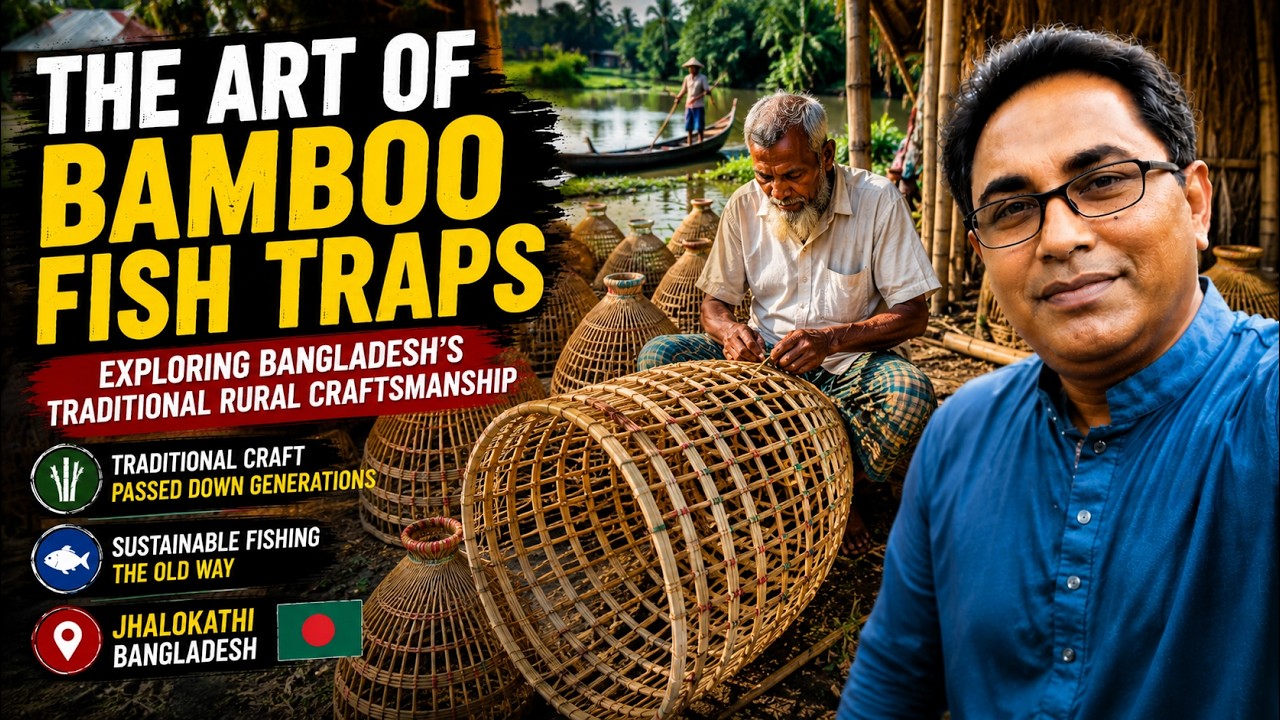
Bangladesh is a land of rivers, canals, and vast wetlands, making fishing not just a major occupation but a deep-rooted cultural tradition. For centuries, rural communities across the country have relied on nature to create sustainable livelihood tools. One of the most fascinating examples of this eco-friendly ancient technology is the Traditional Bamboo Fish Trap (মাছ ধরার ফাঁদ). Known locally by various names such as Chai (চাঁই), Ghuni (ঘুণি), or Bair (বাইর), these handmade structures showcase incredible grassroots engineering.
The craftsmanship involved in slicing, weaving, and shaping raw bamboo into precise, functional traps is passed down through generations. Local artisans and sellers display these peculiar fish traps in rural haats (weekly village markets), especially right before the monsoon season when water levels rise and fishing activity peaks. Let’s dive deeper into the unique designs, sustainability, and cultural life behind Bangladesh's traditional fish trap makers.
The Engineering Behind Bamboo Fish Traps
What makes these bamboo traps a marvel of rural heritage is their organic design. They require no modern machinery, batteries, or synthetic plastics. Instead, they rely purely on the natural behavior of fish. Here is how they operate:
- The Unidirectional Funnel: The traps are woven with ultra-thin bamboo splits forming a smart one-way funnel entry. Fish can easily swim inside following the water current but cannot find their way out.
- Customized for Species: Different sizes and grid woven gaps are engineered for specific catches. Small woven gaps trap small indigenous fish like Puti and Tengra, while larger cages are designed for Shol, Taki, or prawns.
- Eco-Friendly and Sustainable: Unlike modern nylon nets or destructive China Duary traps that harm underwater ecosystems, bamboo traps are completely biodegradable and allow tiny juvenile fish to escape, preserving biodiversity.
The Hardworking Artisans of the Rural Haats
The process of splitting bamboo, drying it, and weaving a single trap takes hours of meticulous, hand-straining labor. Sadly, with the rise of cheap plastic nets, these traditional artisans face steep competition. Documenting their lives and visiting local bamboo craft markets offers a direct look into the resilient, authentic, and unchanged rural life of Bengal.
Experience Authentic Rural Life and Heritage Trails in Bangladesh
If you are an international traveler, ethnographic filmmaker, or vlogger wanting to explore rural artisan villages, ancient floating markets, and traditional crafts in Bangladesh safely and deeply, having a local licensed expert is essential.
The traditional bamboo fish trap sellers represent more than just a rural trade; they keep an eco-friendly living heritage alive. Supporting these craftsmen is vital to preserving our heritage. Watch our detailed, cinematic grassroots vlog below to witness the incredible craftsmanship and market life of these traditional fish traps live!
🌍 RURAL ECO-TOURS & ETHNOGRAPHIC MEDIA FIXER SUPPORT
Md. Mamun Ul Hsasn Shawn
Govt. Registered Tour Guide | Tour Operator
Reg. No.: TG501002000001
Bangladesh Tourism Board (Ministry of Civil Aviation and Tourism)
Through Soily Tourism, we specialize in experiential eco-tourism, rural artisan village expeditions, custom photography walks, and elite ground handling services for international travel journalists and ethnographic filmmakers.
- Curated Rural Eco-Tourism Trails & Traditional Village Market (Haat) Visits
- Authentic Cultural Photography, Heritage Exploration, and Riverine Expeditions
- Full Media Fixer Operations: Government Permits, Route Translation, and Strategic Logistics
Follow Our Journeys:
Official Brand: @SoilyTourism | Personal Profile: mamunul.hsasn
YouTube Channel: @MyJourneyBD
📍 Premium Tourism and Media Support available for Rural Eco-Tourism Trails, Heritage Photography, Ethnographic Vlogging Trips, and Guided Expeditions across Bangladesh.


Comments
Post a Comment
Welcome to My Journey BD! Feel free to share your thoughts, travel questions, or food experiences below. Keep it friendly and respectful!