Indian Almond in Bangladesh: Barishal's Biodiversity and the Global Demand for Tropical Almond Leaves
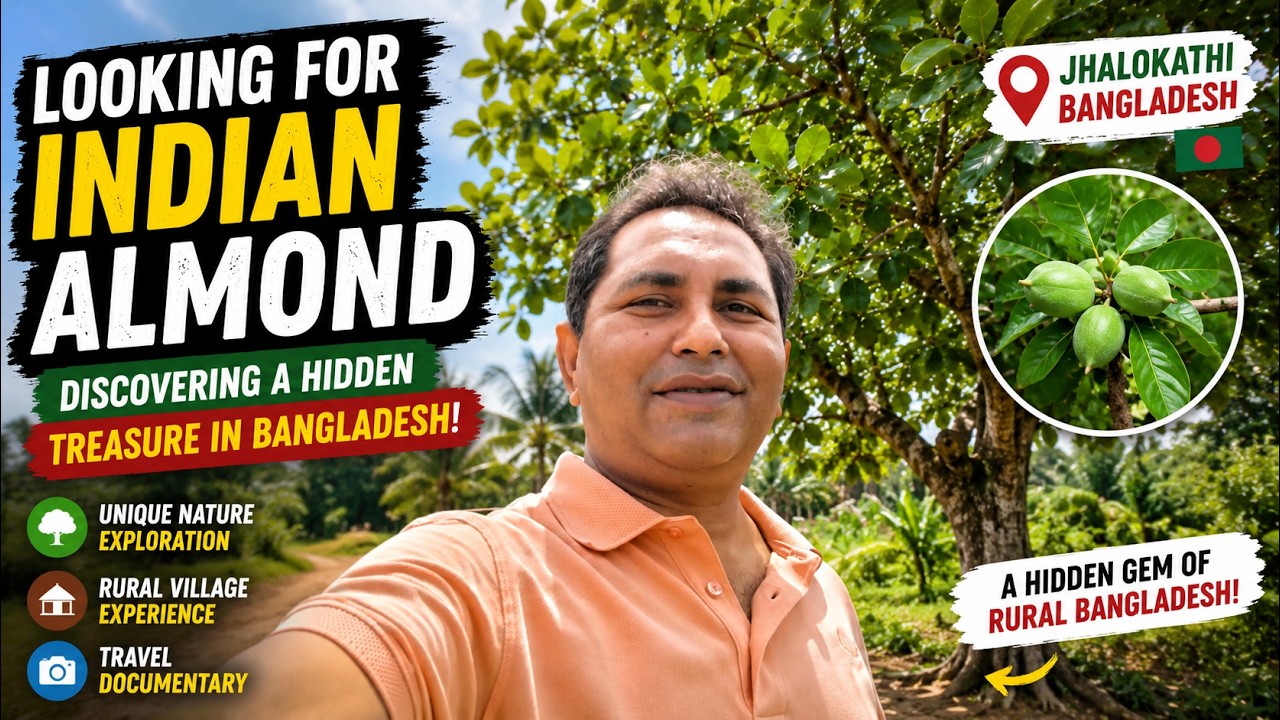
Introduction to Barishal's Unexplored Botanical Wealth
The lush, southern deltaic region of Bangladesh—particularly the beautifully green, river-veined district of Barishal—is an absolute goldmine for eco-conscious travelers, nature lovers, and passionate plant enthusiasts. Walking through its winding, peaceful rural footpaths, flanked by complex webs of active rivers, tidal creeks, and quiet canals, one can easily discover an incredible variety of tropical flora. These local plants hold immense economic, ecological, and ethnobotanical value. One such fascinating, highly resourceful species growing natively in this fertile, silt-rich alluvial soil is the Indian Almond (দেশী কাঠবাদাম), scientifically recognized around the world as Terminalia catappa.
For international eco-tourists, global botanical researchers, wildlife conservationists, and travel vloggers, embarking on a mindful walk through the dense village homestead gardens of Barishal to safely forage for these wild, nutrient-dense tropical almonds is an unforgettable back-to-nature experience. It brilliantly illustrates the quiet, self-sustaining biodiversity that defines rural Bengal. Let’s explore the unique morphological characteristics, incredible medicinal properties, and surprising global economic demand driving interest in the humble Indian Almond tree.
The Unique Profile of the Indian Almond Tree (Tropical Almond)
Commonly referred to globally as the Sea Almond, Beach Almond, or Ketapang, the Indian Almond is a magnificent, large deciduous tropical hardwood tree that naturally thrives along coastal fringes and riverine banks. Across rural Bangladesh, it grows gracefully as a primary element of traditional homestead boundaries and wild village forest canopies, expanding into a beautiful pagoda-like structure with distinct horizontal layers of branches. The tree yields green, corky, and highly fibrous egg-shaped husks that eventually transform into a deep purple-brown tint as they mature. This durable outer shell naturally protects the delicious, oil-rich, and crunchy kernel locked deep inside.
Global Demand: The Hidden Multi-Million Dollar Magic of Indian Almond Leaves
While the highly nutritious almond nut has always been appreciated locally as a fresh organic snack, the dried, naturally fallen leaves of this tree have quietly sparked a massive, multi-million dollar global export industry. This trend is particularly evident among elite international aquarium hobbyists, professional shrimp breeders, and aquatic life exporters across Europe, North America, and Asia:
- The Blackwater Phenomenon: When naturally dried Indian Almond Leaves (IAL) are submerged in water, they release rich doses of humic acids and organic tannins. This safely shifts the pH balance and colors the water into a rich, tea-colored "blackwater" profile that flawlessly replicates the wild, shaded river habitats of tropical South America and Southeast Asia.
- Natural Antibiotic Shield: These leaves carry intense antibacterial, antifungal, and antiparasitic compounds. This makes them absolutely indispensable for safely shipping, conditioning, and successfully breeding expensive ornamental fish species like Betta fish, Discus, and delicate dwarf shrimps.
- Grassroots Medicine: At the local village level, rural families have long relied on crushed fresh leaves and steeped bark juices as safe, ancestral home remedies to soothe acute skin conditions, heal minor cuts, and manage digestive irregularities.
Eco-Tourism and Botanist Foraging Journeys in Barishal
Documenting these overlooked botanical treasures, exploring sprawling rural fruit nurseries, and experiencing the true, unhurried, slow-paced lifestyle of the southern delta demands an experienced hand who thoroughly understands the micro-geography, seasonal variations, and complex water routes of the region. Navigating the backwaters of Barishal without dedicated local guidance means missing out on the genuine oral traditions and hidden wilderness paths known only to the generations who live there.
🎬 Watch Our Full Southern Eco-Tourism Travel Documentary
Before planning your customized botanical expedition, we highly recommend checking out our cinematic travel vlog. Turn on your audio to join our slow journey through the breathtaking village greens of Barishal as we hunt for this incredible tree:
Experience the Authentic Village Traditions of Bangladesh
Whether you are an international academic researcher studying South Asian biodiversity, a digital content creator searching for hidden ecological wonders, or a passionate photographer aiming to frame the calm morning mist of the southern canals, exploring alongside an authorized, registered expert ensures a deep, completely authentic, and seamless cultural experience.
🌍 ECO-TOURISM & MEDIA FIXER SUPPORT IN BANGLADESH
Md. Mamun Ul Hsasn Shawn
Govt. Registered Tour Guide | Tour Operator
Reg. No.: TG501002000001
Bangladesh Tourism Board (Ministry of Civil Aviation and Tourism)
Through Soily Tourism, we specialize in curating deep-access agricultural eco-tours, traditional street food walks, historical expeditions, and high-end media fixer services for international creators, journalists, and travelers worldwide.
- Off-The-Beaten-Path Southern Backwater & Floating Market Tours
- Botanical Foraging Trails, Fruit Nursery Walks, and Eco-Adventures
- Professional Media Fixer Logistics, Drone Permissions, and Scouting
Follow Our Journeys:
Official Brand: @SoilyTourism | Personal Profile: mamunul.hsasn
YouTube Channel: @MyJourneyBD
📍 Specialized Eco-Services available across Barishal, the Sundarbans mangrove boundaries, and all major southern river routes.


Comments
Post a Comment
Welcome to My Journey BD! Feel free to share your thoughts, travel questions, or food experiences below. Keep it friendly and respectful!